
 한국어
 ENG
 中文
 にほんご
Sleep Dentistry
Anesthesia methods that reduce pain

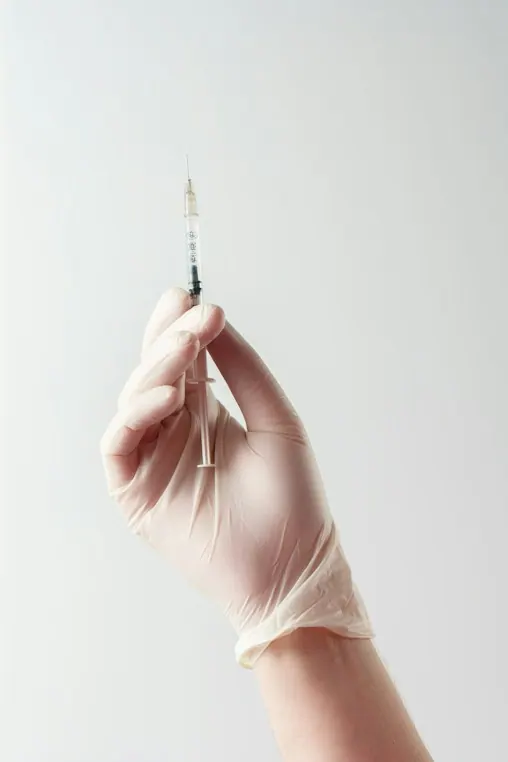
Painless Injection
Pain level: Stinging
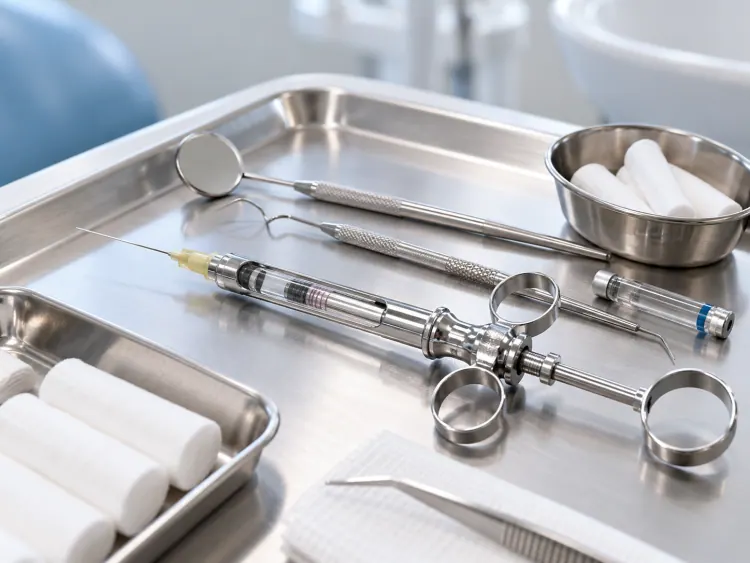
The most common anesthesia method: anesthetic is injected into the gum around the area to be treated. We use a fine needle chosen with pain in mind, warm the anesthetic to body temperature so it feels less foreign, and inject it as slowly as possible to reduce pain during anesthesia.
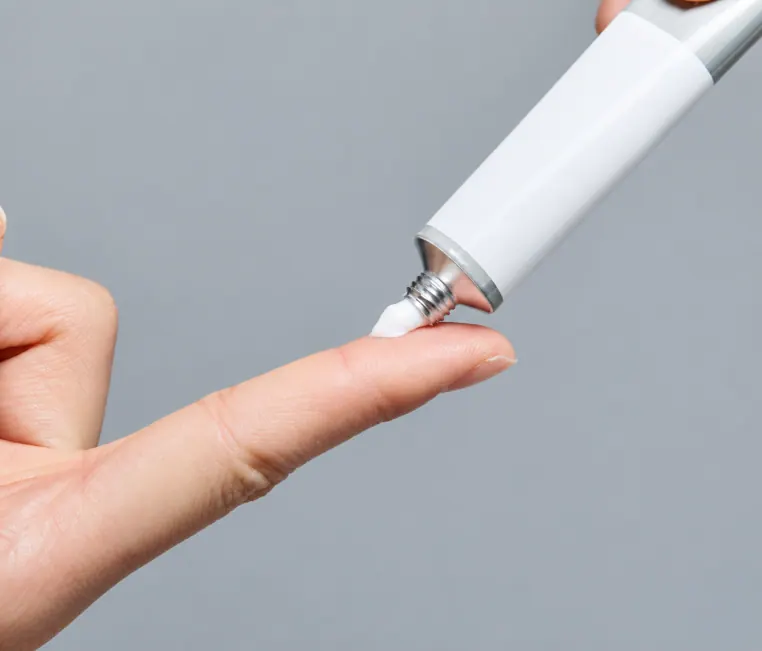
Topical Anesthesia + Painless Injection
Pain level: Mild stinging
Anesthetic cream is applied where the painless injection will be given. The cream reduces the sensitivity of the gum, easing the pain at the moment the needle enters it.

Painkiller + Topical Anesthesia + Painless Injection
Pain level: Almost none
Before treatment begins, you take a painkiller prescribed by the clinic to reduce pain from anesthesia and treatment. The painkiller helps not only with physical pain but also with calming body and mind, reducing fear of treatment.
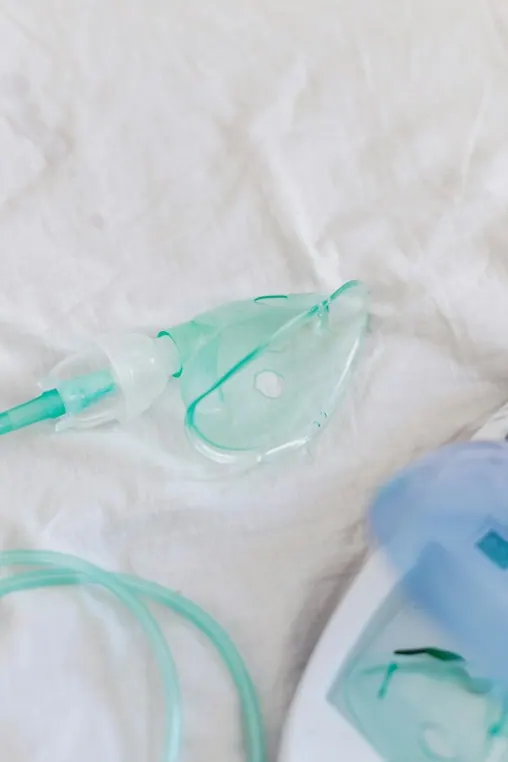
Sleep Sedation
Pain level: None
Only for patients with a strong fear of dental treatment, our anesthesia staff perform sleep sedation themselves. It induces a light-sleep state that eases tension so you can be treated comfortably. Dental sleep sedation uses only a small amount of medication, so it places less burden on you.
What Is Sleep Dentistry?

Conscious sedation can be described simply as “sleep dentistry”: an anesthesia method for people who find dental treatment uncomfortable.
Under a dentist’s prescription, medication suited to each person lets you be treated in a deep, sleep-like state of sedation, helping to resolve many uncomfortable situations so you can be treated comfortably.
Although you are asleep, consciousness is only mildly suppressed, so you still respond to your surroundings and breathe on your own without any breathing support device, letting you receive dental treatment with greater peace of mind.
Sleep dentistry as restful as a deep sleep,
finished by the time you wake
General Anesthesia
When local anesthesia
cannot eliminate the pain- Requires a breathing device
- Loss of consciousness and sensation
- Unable to communicate
Conscious Sedation
When treatment is needed without pain,
in a psychologically calm state- Breathes on their own
- Consciousness and sensation suppressed
- In a light-sleep state, responds to physical stimuli, surrounding sounds and instructions
Local Anesthesia
Removes pain, but may come
with psychological anxiety- Removes pain only where needed
- Sight, hearing, smell, etc. stay normal apart from pain
Aiming for comfortable implant surgery
with less fear of pain
Implants under sleep dentistry let you be treated relatively comfortably, as if you were sleeping. This eases the fear of pain
and helps relieve the psychological burden of implant placement.
We recommend it for anyone who has put off implant treatment because of fear of pain, tension from dental noise or a sensitive gag reflex.
Who Is Sleep Dentistry For?
Experience comfortable, stress-free care with conscious sedation,
which induces a safe light-sleep state.
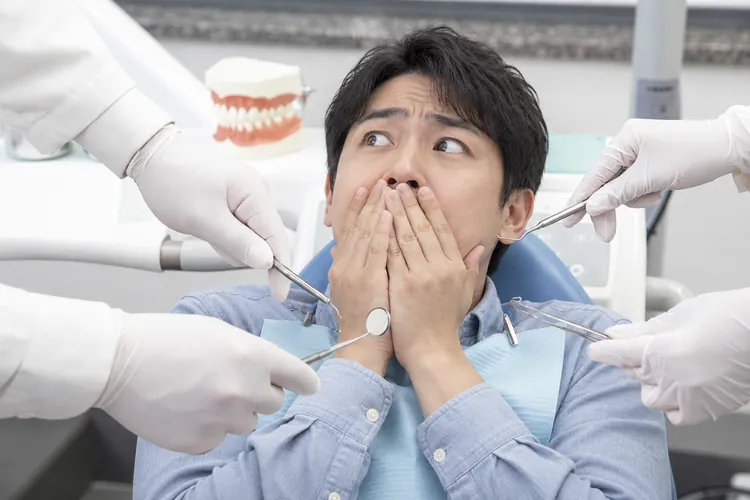
People with a strong fear of dental treatment

Patients with systemic illness, older adults and others who find long treatment hard
People for whom dental local anesthesia does not work well

People who have put off treatment because they are sensitive to pain
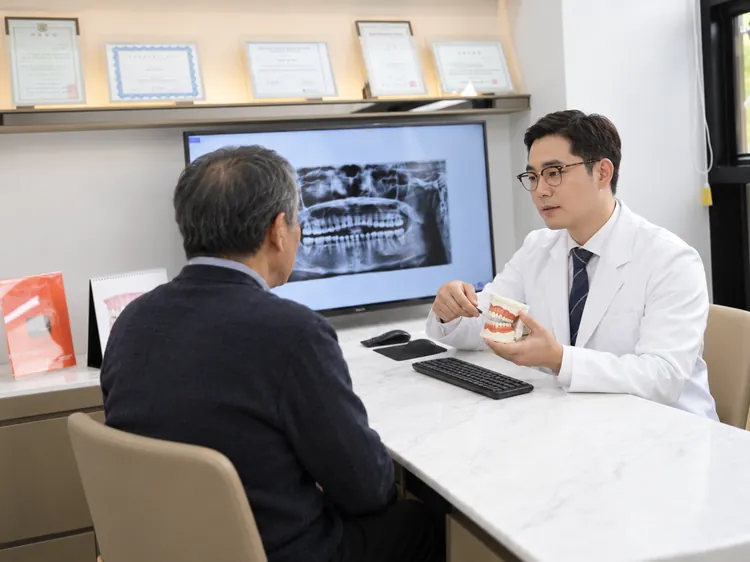
People who need several treatments
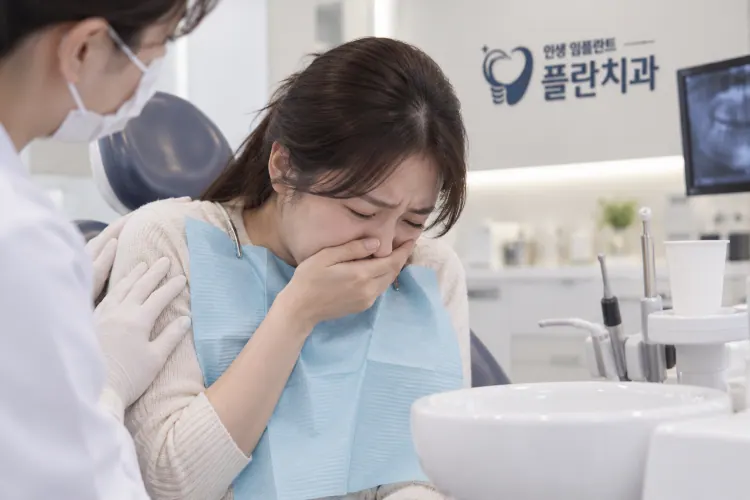
People who find treatment hard due to a strong gag reflex

People who need lengthy treatment
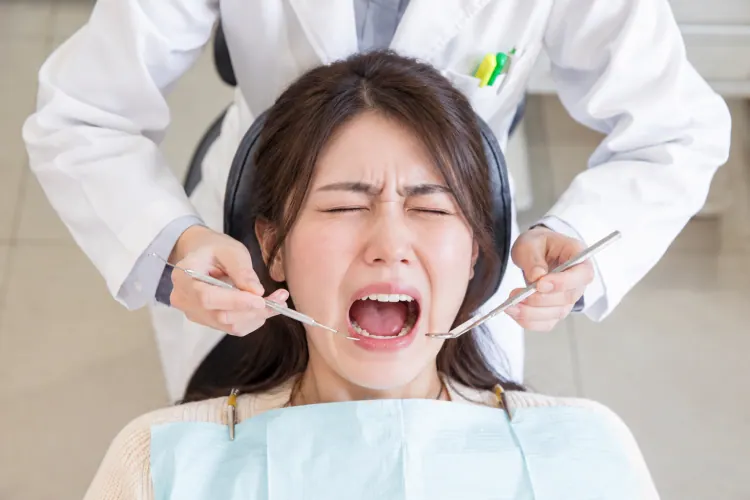
People who find it hard to keep their mouth open for long
※ Please note that conscious sedation may not be possible depending on your condition, and the decision must be made after a thorough consultation with our medical team.
※ Please note that, depending on individual condition, implant treatment may involve problems such as bite abnormalities, implant fixture failure, nerve damage or inflammation.
Sedatives Used in Sleep Dentistry
Propofol
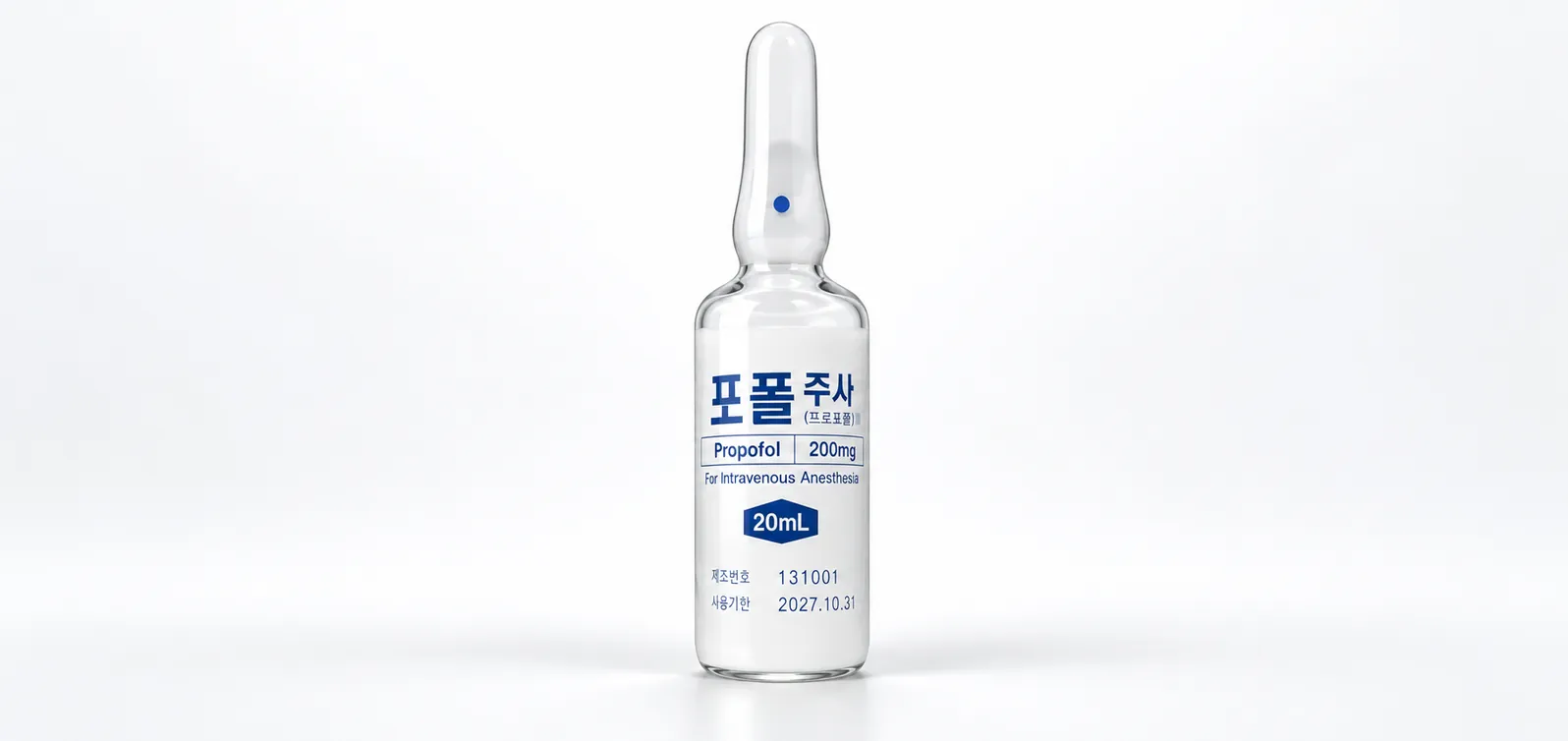
A fast-acting anesthetic that sedates within seconds of injection and wears off quickly.
- Pros: Fast onset and recovery, does not remain in the body
- Cons: Not for soy or egg allergies, no reversal agent
Plan Dental follows the proper dosage and administration and has a thorough monitoring system in place
Midazolam
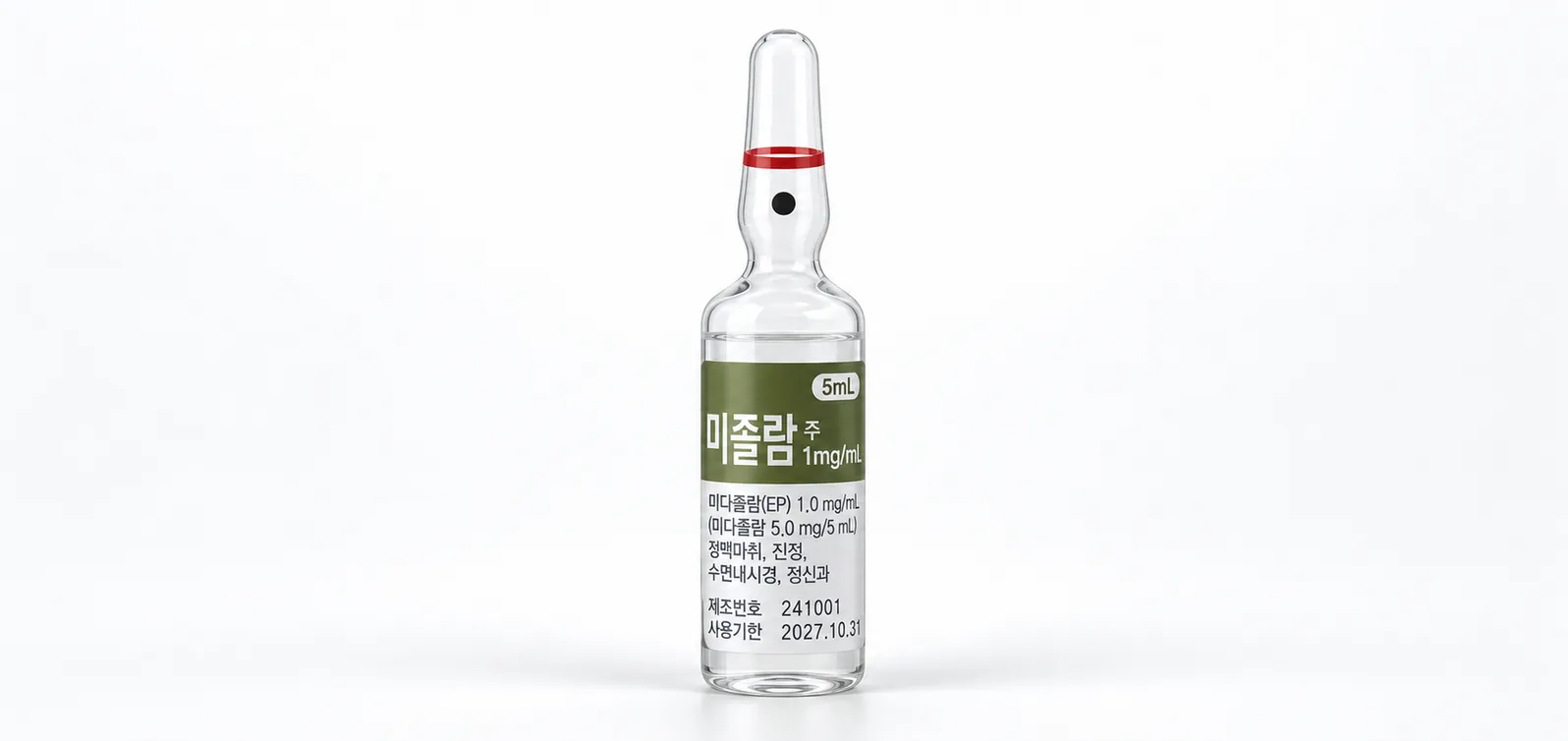
A slower-acting anesthetic that sedates 1 to 2 minutes after injection and wears off gradually.
- Pros: Amnesic effect, antidote (flumazenil) available
- Cons: Slower onset and recovery
Plan Dental follows the proper dosage and administration and has a thorough monitoring system in place
Sleep sedation cases to date: 0 incidents
Zero incidents is not a goal. It is a given.
Sleep Dentistry FAQ
A treatment system that understands patients
Q. Is sleep dentistry only available for implants?
A. It depends on the treatment. After checking your constitution and medical history, conscious sedation may turn out not to be suitable, so you can confirm whether it is possible through various tests in advance.
* Additional costs may apply when treatment is done under conscious sedation.
Q. Is sleep dentistry dangerous?
A. It is not general anesthesia that needs a breathing device, but sleep sedation that keeps you in a light-sleep state, so you can breathe on your own and are sedated only to the degree that you can still respond to physical stimuli and surrounding sounds.
With careful diagnostic equipment and continuous checks by our medical team, it is also a highly stable treatment method.
Q. How long can sleep dentistry last?
A. Up to one hour. If you have a strong fear of dental treatment, frequent visits for treatment can be a burden; the advantage of conscious sedation is that as much treatment as possible can be done while you are asleep.
Q. Is the treatment method different from regular treatment?
A. The treatment method itself is the same.
However, people who find pain hard to bear or who are fearful often cannot manage much treatment at once, so conscious sedation allows more treatment per visit and can reduce the number of visits.
Additional time is needed for the sedation itself, though.
Q. What should I keep in mind before an implant under sleep dentistry?
A. You must fast for at least 8 hours before the procedure, and on the day you must go home accompanied by a guardian (no driving yourself).
Also, if you have a chronic condition such as high blood pressure, arrhythmia, diabetes or kidney disease, you must tell the dentist, including any medications you take.